
Kancelaria prawna Agata Aszywała z siedzibą w Świdnicy to miejsce, w którym klienci mogą liczyć na fachową pomoc prawną, niezależnie od skomplikowania sprawy. Specjalizując się w szerokim zakresie prawa, kancelaria oferuje profesjonalne usługi zarówno dla osób fizycznych, jak i firm. pomoc prawna świdnica Jednym z głównych obszarów działalności jest prawo rodzinne, w tym sprawy rozwodowe, podziały majątku czy ustalanie alimentów. Kancelaria Agata Aszywała doskonale rozumie, jak trudne emocjonalnie i życiowo mogą być tego typu sytuacje, dlatego stawia na indywidualne podejście do każdego klienta, dbając o komfort i bezpieczeństwo podczas całego procesu prawnego.
Kancelaria Agata Aszywała specjalizuje się w sprawach rozwodowych, które bywają jednym z najtrudniejszych doświadczeń życiowych. Adwokat i radca prawny z tej kancelarii zapewniają kompleksową pomoc, pomagając przejść przez skomplikowane procedury prawne związane z zakończeniem związku małżeńskiego. Zrozumienie, jak ważne są kwestie związane z dziećmi, majątkiem czy alimentami, pozwala na pełne zaangażowanie w każdą sprawę, a celem jest znalezienie najbardziej sprawiedliwego rozwiązania. Agata Aszywała i jej zespół prawników zapewniają pełną pomoc zarówno w negocjacjach, jak i reprezentacji przed sądem, dbając o interesy klientów na każdym etapie postępowania. Profesjonalizm kancelarii przejawia się również w podejściu do innych obszarów prawa, takich jak prawo cywilne, spadkowe czy prawo pracy. Agata Aszywała z powodzeniem reprezentuje klientów w sprawach związanych z odszkodowaniami, dochodzeniem roszczeń, windykacją czy obroną przed roszczeniami w sprawach cywilnych. Kancelaria specjalizuje się także w obsłudze firm, oferując pomoc w zakresie prawa gospodarczego, prawa pracy, ochrony danych osobowych, a także w kwestiach związanych z tworzeniem i negocjowaniem umów. Niezależnie od tego, czy klient potrzebuje porady prawnej, reprezentacji przed sądem, czy pomoc przy rozwiązywaniu problemów prawnych związanych z działalnością gospodarczą, kancelaria Agata Aszywała gwarantuje kompleksową i skuteczną obsługę prawną. Oprócz spraw rozwodowych i podziału majątku, kancelaria Agata Aszywała oferuje również pomoc w wielu innych dziedzinach prawa rodzinnego. Pomaga klientom w sprawach dotyczących ustalania alimentów, wnioskowania o ograniczenie lub odebranie praw rodzicielskich, ustalania opieki nad dziećmi, a także w rozwiązywaniu kwestii związanych z kontaktami z dziećmi. Prawnicy z kancelarii doskonale rozumieją, jak ważne są to sprawy dla ich klientów, dlatego każdą z nich traktują z należytą troską i profesjonalizmem, dążąc do rozstrzygnięć, które będą chronić prawa wszystkich stron, szczególnie dzieci. Świdnica to miasto, które, choć nie jest jednym z największych ośrodków miejskich, posiada wiele firm i osób, które wymagają wysokiej jakości usług prawnych. Agata Aszywała to kancelaria, która doskonale rozumie potrzeby lokalnego rynku i dopasowuje swoją ofertę do wymagań klientów z tego regionu. Kancelaria ma na swoim koncie liczne sukcesy, które są efektem sumiennej pracy, precyzyjnego podejścia do sprawy i pełnej dostępności dla klienta. Dzięki takiemu podejściu, klienci mają pewność, że ich sprawy są prowadzone profesjonalnie, a ich interesy są odpowiednio chronione. Ważnym aspektem działalności kancelarii Agata Aszywała jest jej podejście do klienta. Kancelaria stawia na indywidualne traktowanie każdego przypadku, starając się jak najlepiej dopasować strategię prawną do potrzeb i oczekiwań klienta. Dzięki temu klienci mogą liczyć na pełne wsparcie na każdym etapie postępowania, a ich sprawy są prowadzone z pełnym zaangażowaniem i dbałością o szczegóły. Prawnicy kancelarii dbają o to, by klienci czuli się komfortowo i pewnie, mając pełną świadomość, że ich sprawy są w dobrych rękach.
Zespół prawników kancelarii Agata Aszywała charakteryzuje się indywidualnym podejściem do każdej sprawy oraz pełnym zaangażowaniem w rozwiązywanie problemów swoich klientów. Kancelaria stawia na profesjonalizm, dyskrecję oraz skuteczność w działaniu. Prawnicy są dostępni dla swoich klientów na każdym etapie sprawy, doradzając, reprezentując ich interesy przed sądami, a także pomagając w negocjacjach i zawieraniu umów. Agata Aszywała zapewnia kompleksową obsługę prawną, która pozwala klientom na spokojne i pewne rozwiązanie ich problemów prawnych.
Miesiąc: listopad 2024
Kancelaria Agata Aszywała – Kompleksowa obsługa prawna dla przedsiębiorców w Świdnicy

Kancelaria prawna Agata Aszywała w Świdnicy to miejsce, które zapewnia profesjonalną pomoc prawną osobom prywatnym oraz przedsiębiorcom. Współpracując z klientami, kancelaria oferuje kompleksowe wsparcie, dostosowane do ich indywidualnych potrzeb, starając się znaleźć rozwiązania, które będą najlepsze w danej sytuacji. Specjalizując się w różnych gałęziach prawa, Agata Aszywała i jej zespół prawników zapewniają pomoc w kwestiach zarówno cywilnych, rodzinnych, jak i gospodarczych. Kancelaria wyróżnia się szczególnym podejściem do spraw związanych z prawem rodzinnym, w tym rozwodami, podziałem majątku, alimentami oraz innymi kwestiami związanymi z relacjami małżeńskimi i rodzinnymi.
W szczególności kancelaria Agata Aszywała zdobyła uznanie w Świdnicy w zakresie spraw rozwodowych i innych spraw rodzinnych. Rozwód to jedno z najtrudniejszych przeżyć w życiu, zarówno pod względem emocjonalnym, jak i prawnym. W takich sytuacjach pomoc doświadczonego prawnika staje się nieoceniona. Kancelaria Agata Aszywała prowadzi sprawy rozwodowe z pełnym zrozumieniem dla trudnej sytuacji klienta. Prawnicy kancelarii pomagają w kwestiach związanych z podziałem majątku, ustaleniem alimentów, opieką nad dziećmi, a także w negocjacjach dotyczących kontaktów z dziećmi po rozwodzie. Pomoc prawnika jest szczególnie istotna, gdy strony nie mogą dojść do porozumienia, a kwestia podziału majątku, praw rodzicielskich czy ustalenie alimentów jest kontrowersyjna. W takim przypadku, kancelaria nie tylko udziela fachowej porady, ale także zapewnia reprezentację przed sądem, dbając o to, by interesy klienta były odpowiednio chronione. Sprawy dotyczące rozwodów to tylko jeden z obszarów, w których kancelaria Agata Aszywała się specjalizuje. Prawnicy kancelarii zajmują się również podziałem majątku wspólnego, co stanowi nieodłączny element wielu spraw rozwodowych. Kancelaria dysponuje odpowiednim doświadczeniem i wiedzą, by pomóc klientom w wyjaśnieniu trudnych kwestii dotyczących podziału nieruchomości, oszczędności czy innych składników majątku. W sytuacjach, w których strony nie są w stanie osiągnąć porozumienia, prawnicy z kancelarii reprezentują ich interesy przed sądem, starając się uzyskać najkorzystniejsze dla nich rozwiązanie. rozwód świdnica Agata Aszywała stawia na efektywność i skuteczność w działaniach, dbając o to, by proces podziału majątku przebiegał możliwie najsprawniej, z poszanowaniem praw obu stron. Oprócz spraw rozwodowych i podziału majątku, kancelaria Agata Aszywała oferuje również pomoc w wielu innych dziedzinach prawa rodzinnego. Pomaga klientom w sprawach dotyczących ustalania alimentów, wnioskowania o ograniczenie lub odebranie praw rodzicielskich, ustalania opieki nad dziećmi, a także w rozwiązywaniu kwestii związanych z kontaktami z dziećmi. Prawnicy z kancelarii doskonale rozumieją, jak ważne są to sprawy dla ich klientów, dlatego każdą z nich traktują z należytą troską i profesjonalizmem, dążąc do rozstrzygnięć, które będą chronić prawa wszystkich stron, szczególnie dzieci. Świdnica to miasto, które, choć nie jest jednym z największych ośrodków miejskich, posiada wiele firm i osób, które wymagają wysokiej jakości usług prawnych. Agata Aszywała to kancelaria, która doskonale rozumie potrzeby lokalnego rynku i dopasowuje swoją ofertę do wymagań klientów z tego regionu. Kancelaria ma na swoim koncie liczne sukcesy, które są efektem sumiennej pracy, precyzyjnego podejścia do sprawy i pełnej dostępności dla klienta. Dzięki takiemu podejściu, klienci mają pewność, że ich sprawy są prowadzone profesjonalnie, a ich interesy są odpowiednio chronione. Ważnym aspektem działalności kancelarii Agata Aszywała jest jej podejście do klienta. Kancelaria stawia na indywidualne traktowanie każdego przypadku, starając się jak najlepiej dopasować strategię prawną do potrzeb i oczekiwań klienta. Dzięki temu klienci mogą liczyć na pełne wsparcie na każdym etapie postępowania, a ich sprawy są prowadzone z pełnym zaangażowaniem i dbałością o szczegóły. Prawnicy kancelarii dbają o to, by klienci czuli się komfortowo i pewnie, mając pełną świadomość, że ich sprawy są w dobrych rękach.
Świdnica, choć nie jest jednym z największych miast w Polsce, posiada rozwiniętą społeczność, w której istnieje zapotrzebowanie na rzetelną pomoc prawną. Kancelaria Agata Aszywała skutecznie odpowiada na te potrzeby, oferując usługi, które pomagają mieszkańcom Świdnicy oraz firmom z regionu rozwiązywać problemy prawne na najwyższym poziomie. Prawnicy z kancelarii ściśle współpracują z klientami, oferując im pełne wsparcie i pomagając w zrozumieniu zawiłości prawnych, co sprawia, że są oni w stanie podjąć świadome decyzje i działać zgodnie z prawem.
Twoje Przestworza – szkolapilotazu Otwiera Drogę do Latania

Szkoła Pilotów szkolapilotazu to profesjonalny ośrodek szkolenia lotniczego, który oferuje kompleksowe kursy przygotowujące przyszłych pilotów do zdobycia licencji i podjęcia samodzielnych lotów. To miejsce dla osób, które pragną spełnić swoje marzenie o lataniu, zdobyć wiedzę i umiejętności niezbędne do bezpiecznego i pewnego operowania samolotem. szkolapilotazu to nie tylko szkoła lotnicza, lecz także centrum, w którym kursanci zyskują pełne przygotowanie teoretyczne i praktyczne pod okiem doświadczonych instruktorów. Oferta kursów lotniczych obejmuje zarówno podstawowe kursy dla osób zaczynających swoją przygodę z lotnictwem, jak i zaawansowane szkolenia pozwalające na podniesienie kwalifikacji i zdobycie specjalistycznych uprawnień. Każdy kurs lotniczy dostosowany jest do indywidualnych potrzeb uczestników i ich dotychczasowego doświadczenia, co sprawia, że nauka jest efektywna i dostosowana do poziomu uczestnika.
W szkolapilotazu nacisk kładzie się na bezpieczeństwo oraz wysoki poziom wiedzy, który absolwenci szkoły mogą zastosować w praktyce. Ośrodek wyposażony jest w nowoczesny sprzęt oraz flotę szkoleniowych samolotów, które gwarantują komfortowe i bezpieczne warunki do nauki latania. Kursanci przechodzą przez szczegółowy program, który obejmuje zarówno zagadnienia teoretyczne, takie jak zasady nawigacji, meteorologia, mechanika lotu, prawo lotnicze, jak i intensywną praktykę za sterami samolotu. Instruktorzy szkolapilotazu to osoby z dużym doświadczeniem, dla których latanie jest pasją, co przekłada się na indywidualne podejście do każdego uczestnika kursu. Każdy adept sztuki pilotażu może liczyć na wsparcie i wiedzę przekazywaną z zaangażowaniem, co pozwala szybko nabrać pewności i płynności w lotach. szkoła pilotów Szkoła pilotów szkolapilotazu wyróżnia się również elastycznym podejściem do nauki, umożliwiając kursantom dostosowanie programu zajęć do ich indywidualnych potrzeb i stylu nauki. Instruktorzy z wieloletnim doświadczeniem nie tylko uczą technik pilotażu, ale także przekazują wartościowe wskazówki praktyczne, które pomagają przyszłym pilotom zyskać pewność siebie i precyzję podczas lotu. Dla wielu uczestników kursów moment przystąpienia do pierwszych samodzielnych lotów jest wyjątkowym przeżyciem, a obecność doświadczonego instruktora zapewnia bezpieczeństwo oraz pełne wsparcie w nauce. szkoła lotnicza Program szkoleniowy szkolapilotazu został tak zaprojektowany, aby odpowiadać na zmieniające się potrzeby lotnictwa i standardy międzynarodowe, dzięki czemu kursanci mogą czuć się pewnie, zdobywając licencje pilota o uznanej wartości. szkolapilotazu oferuje kursy składające się z części teoretycznej i praktycznej, które prowadzone są na nowoczesnych maszynach idealnie wpisujących się w potrzeby lotnictwa turystycznego i rekreacyjnego. W naszym hangarze znajdują się samoloty, takie jak Tecnam P2008, Rockwell Commander 114 TC i WT-9 Dynamic, które są regularnie serwisowane, aby zapewnić kursantom pełne bezpieczeństwo i komfort w powietrzu. Loty odbywają się w realistycznych warunkach symulujących różnorodne sytuacje, z jakimi przyszły pilot może się zetknąć, dzięki czemu nauka jest maksymalnie praktyczna i wszechstronna.
Dla wszystkich tych, którzy marzą o zdobyciu licencji pilota i realizacji pasji do latania, szkolapilotazu jest idealnym wyborem. Szkoła stawia na najwyższy poziom kształcenia, nowoczesny sprzęt, komfortowe warunki szkoleniowe oraz indywidualne podejście, co sprawia, że każda osoba kończąca kurs jest doskonale przygotowana do wykonywania samodzielnych lotów. szkolapilotazu to ośrodek z wieloletnim doświadczeniem, który gwarantuje, że marzenie o lataniu jest na wyciągnięcie ręki, oferując naukę pilotażu zgodną z najwyższymi standardami i wymogami międzynarodowymi. Szkoła pilotów to idealne miejsce dla tych, którzy chcą zdobyć nową pasję, przekroczyć granice swoich możliwości i cieszyć się wolnością, jaką daje latanie.
Szkolenie w Realistycznych Warunkach – Nauka Latania od Podstaw

Szkolapilotazu to renomowana szkoła lotnicza, której misją jest kształcenie przyszłych pilotów oraz propagowanie pasji do latania. Mimo że latanie w Polsce nie jest jeszcze bardzo popularną formą transportu, coraz więcej osób zafascynowanych przestworzami decyduje się na rozpoczęcie swojej przygody z lotnictwem, a szkolapilotazu wychodzi naprzeciw tym potrzebom, oferując różnorodne kursy lotnicze oraz licencje pilotażu. kursy lotnicze Szkoła oferuje kompleksowe szkolenia, które odpowiadają potrzebom zarówno początkujących, jak i bardziej zaawansowanych pilotów.
Każdy kurs lotniczy w naszej szkole realizowany jest zgodnie z obowiązującymi przepisami prawa, co daje kursantom pewność, że ich edukacja przebiega na najwyższym poziomie merytorycznym i praktycznym. Program szkoleniowy łączy intensywną część teoretyczną oraz praktyczne szkolenie w powietrzu, dzięki czemu nasi absolwenci są doskonale przygotowani do podejścia do egzaminów na licencję pilota i samodzielnych lotów. Nad procesem szkoleniowym czuwają doświadczeni instruktorzy, którzy nie tylko posiadają rozległą wiedzę lotniczą, ale także umiejętności dydaktyczne, co zapewnia naszym kursantom wsparcie i profesjonalne podejście na każdym etapie nauki. szkolapilotazu cieszy się zaufaniem absolwentów, którzy z powodzeniem wykorzystują zdobytą wiedzę, zdobywając licencje pilota i stawiając pierwsze kroki w lotnictwie rekreacyjnym oraz zawodowym. szkoła lotnicza Szkoła szkolapilotazu oferuje kursy na uzyskanie różnych typów licencji pilota, w tym licencji turystycznej PPL, a także kursy zaawansowane dla tych, którzy planują rozwijać karierę zawodowego pilota. Program szkoleniowy jest zgodny z wymogami międzynarodowych przepisów lotniczych, co oznacza, że absolwenci szkolapilotazu zdobywają licencje i kwalifikacje uznawane zarówno w Polsce, jak i za granicą. Ukończenie kursu pozwala na rozpoczęcie samodzielnych lotów, a także daje solidne podstawy do dalszego rozwoju w kierunku kariery pilota komercyjnego. Szkolenia prowadzone są w komfortowych warunkach, z dużym naciskiem na praktyczne aspekty lotnictwa, które pozwalają zdobyć niezbędne umiejętności do bezpiecznego latania w różnych warunkach pogodowych i na różnych typach lotnisk. szkolapilotazu to wybór dla tych, którzy marzą o swobodnym podziwianiu widoków z lotu ptaka i chcą realizować swoją pasję do latania na najwyższym poziomie. Nasza szkoła to także nowoczesne maszyny, idealnie dopasowane do potrzeb dzisiejszych kursantów, które pozwalają na wdrożenie się w techniki pilotażu i rozwijanie umiejętności w realistycznych warunkach. Uczymy latania na takich modelach, jak Tecnam P2008, Rockwell Commander 114 TC oraz WT-9 Dynamic, które są popularnymi i bezpiecznymi samolotami, często wykorzystywanymi w lotnictwie turystycznym. Dbałość o najwyższy standard floty oraz regularne serwisowanie maszyn zapewniają naszym kursantom poczucie bezpieczeństwa oraz komfort podczas nauki.
Po zakończeniu kursów szkolapilotazu oferuje również wynajem samolotów, co umożliwia licencjonowanym pilotom kontynuowanie latania i zdobywanie dalszego doświadczenia na profesjonalnie utrzymanych maszynach. Wynajem dostępny jest zarówno dla absolwentów naszej szkoły, jak i dla pilotów z licencją uzyskaną w innych ośrodkach, przy czym zapewniamy elastyczne warunki finansowe oraz możliwość krótkoterminowego i długoterminowego najmu. W szkolapilotazu dbamy o to, by latanie było nie tylko możliwe, ale i dostępne, dlatego zapewniamy pełne wsparcie, indywidualne podejście oraz wyjątkową atmosferę, sprzyjającą zdobywaniu nowych umiejętności i realizacji marzeń o lataniu.
Bezpieczeństwo i Komfort – Kursy Latania na Nowoczesnych Samolotach

Szkolapilotazu to renomowany ośrodek szkolenia lotniczego, który każdego roku przyciąga zarówno przyszłych pilotów, jak i entuzjastów lotnictwa marzących o zdobyciu umiejętności pozwalających na samodzielne latanie. Szkoła stawia na wszechstronność, wysokie standardy i bezpieczeństwo, oferując szeroki zakres kursów lotniczych – od podstawowych szkoleń umożliwiających pierwsze kroki w świecie lotnictwa, aż po zaawansowane kursy dla osób planujących karierę zawodowego pilota. Jako szkoła lotnicza o długoletniej tradycji, szkolapilotazu dąży do tego, by każdy kursant mógł bez przeszkód opanować zasady pilotażu, zdobyć odpowiednie kwalifikacje i cieszyć się pełnią radości z latania, spełniając swoje marzenia o wolności przestworzy.
W ramach swojej działalności szkolapilotazu prowadzi kursy PPL(A), które są przeznaczone dla osób chcących zdobyć licencję pilota turystycznego, oraz kursy LAPL(A) umożliwiające rekreacyjne loty samodzielne. Kursanci mają także możliwość przystąpienia do szkolenia VFR Noc, które daje uprawnienia do wykonywania lotów po zmroku. Poza kursami na uzyskanie nowych licencji oferujemy również przedłużanie i odnawianie posiadanych uprawnień, dbając, by piloci byli zawsze na bieżąco z aktualnymi przepisami i technikami pilotażu. Każde szkolenie prowadzone jest przez zespół doświadczonych instruktorów, którzy posiadają nie tylko głęboką wiedzę i umiejętności lotnicze, ale także profesjonalne podejście dydaktyczne, dzięki czemu nauka staje się efektywna i przyjemna. Szkoła szkolapilotazu oferuje kursy na uzyskanie różnych typów licencji pilota, w tym licencji turystycznej PPL, a także kursy zaawansowane dla tych, którzy planują rozwijać karierę zawodowego pilota. Program szkoleniowy jest zgodny z wymogami międzynarodowych przepisów lotniczych, co oznacza, że absolwenci szkolapilotazu zdobywają licencje i kwalifikacje uznawane zarówno w Polsce, jak i za granicą. Ukończenie kursu pozwala na rozpoczęcie samodzielnych lotów, a także daje solidne podstawy do dalszego rozwoju w kierunku kariery pilota komercyjnego. Szkolenia prowadzone są w komfortowych warunkach, z dużym naciskiem na praktyczne aspekty lotnictwa, które pozwalają zdobyć niezbędne umiejętności do bezpiecznego latania w różnych warunkach pogodowych i na różnych typach lotnisk. szkolapilotazu to wybór dla tych, którzy marzą o swobodnym podziwianiu widoków z lotu ptaka i chcą realizować swoją pasję do latania na najwyższym poziomie. szkoła pilotów Nasza szkoła to także nowoczesne maszyny, idealnie dopasowane do potrzeb dzisiejszych kursantów, które pozwalają na wdrożenie się w techniki pilotażu i rozwijanie umiejętności w realistycznych warunkach. szkoła lotnicza Uczymy latania na takich modelach, jak Tecnam P2008, Rockwell Commander 114 TC oraz WT-9 Dynamic, które są popularnymi i bezpiecznymi samolotami, często wykorzystywanymi w lotnictwie turystycznym. Dbałość o najwyższy standard floty oraz regularne serwisowanie maszyn zapewniają naszym kursantom poczucie bezpieczeństwa oraz komfort podczas nauki.
Po zakończeniu kursów szkolapilotazu oferuje również wynajem samolotów, co umożliwia licencjonowanym pilotom kontynuowanie latania i zdobywanie dalszego doświadczenia na profesjonalnie utrzymanych maszynach. Wynajem dostępny jest zarówno dla absolwentów naszej szkoły, jak i dla pilotów z licencją uzyskaną w innych ośrodkach, przy czym zapewniamy elastyczne warunki finansowe oraz możliwość krótkoterminowego i długoterminowego najmu. W szkolapilotazu dbamy o to, by latanie było nie tylko możliwe, ale i dostępne, dlatego zapewniamy pełne wsparcie, indywidualne podejście oraz wyjątkową atmosferę, sprzyjającą zdobywaniu nowych umiejętności i realizacji marzeń o lataniu.
Enhancing Soil Strength with Ground Stabilisation Methods

Ground stabilisation and reinforcement are two essential practices in civil engineering, particularly when dealing with challenging soils and terrains that could affect the integrity of structures. Ground stabilisation, at its core, is the process of improving the physical properties of soil to make it more stable, resilient, and capable of bearing the loads and forces exerted upon it. It involves techniques that increase the strength, density, and compaction of the soil, making it less susceptible to shifting, settling, or erosion. This is a critical procedure in areas where natural soil conditions may not be ideal, such as locations with expansive clays, loose sands, or soft soils that have low load-bearing capacity. ground structures reinforcement Ground stabilisation ensures that the foundation of any construction, whether it is a building, a road, or a bridge, remains solid, durable, and reliable throughout its lifespan. In areas with unstable soil, ground stabilisation methods such as soil mixing, the addition of chemical stabilizers, and the use of mechanical compaction can all be employed to improve the soil’s structural integrity. Reinforcing ground structures goes hand-in-hand with stabilisation, focusing on strengthening the physical elements or infrastructure that rely on the soil for support. This can include reinforcing retaining walls, foundations, embankments, or slope surfaces, all of which help to resist the forces of erosion, shifting, or failure. The reinforcement process often involves additional materials like steel, concrete, or geosynthetic fabrics to ensure long-term durability and prevent structural damage under pressure. cementitious mat These methods provide stability in both the short and long term, preventing costly damage or destruction to valuable infrastructure. Slope stabilisation, specifically, is a branch of ground stabilisation focused on preventing soil movement and erosion on sloped terrains. Slopes, whether natural or man-made, are particularly vulnerable to landslides, erosion, and instability, particularly in areas subject to heavy rainfall or seismic activity. Slopes can become destabilized by water infiltration, surface runoff, or human activity, creating a need for stabilisation techniques that ensure the ground remains intact and does not slide or shift, threatening both the environment and the structures above. The traditional approach to slope stabilisation may involve planting vegetation, installing retaining walls, or using heavy machinery to compact the soil. However, recent advancements have introduced more innovative solutions, such as geosynthetic cementitious composite mats (GCCMs), which are proving to be highly effective in controlling erosion and stabilising slopes. GCCMs are an advanced form of composite material made from cementitious compounds integrated with geosynthetic fabrics, which provides both flexibility and strength. These mats are typically applied to the surface of slopes, embankments, and other vulnerable areas, creating a protective barrier that resists the forces of water erosion and soil movement. The cementitious component of the mat hardens once it comes in contact with water, creating a durable, long-lasting surface that effectively prevents water penetration and soil displacement. This makes them especially useful in areas prone to heavy rainfall, where erosion could quickly undermine the integrity of the land. The geosynthetic fabric ensures that the mat stays intact and maintains its integrity over time, even under varying weather conditions and mechanical stress. Geosynthetic cementitious composite mats provide significant advantages over traditional erosion control methods. They are lightweight, easy to install, and provide excellent resistance to UV degradation, making them ideal for a variety of environmental conditions. These mats are commonly used in projects involving slope protection, riverbank reinforcement, embankment stabilisation, and coastal erosion control. Another material commonly used in stabilisation and erosion control is cement mats, which, while similar to GCCMs, focus primarily on using cement-based compounds as the main material. Cement mats are designed to be used on slopes and other vulnerable areas to create an impermeable barrier that prevents soil movement, protects against erosion, and supports vegetation growth. These mats are particularly useful in locations with challenging soil conditions or in environments where maintaining stability over a long period is essential. Cement mats are often more rigid and durable than traditional geosynthetic materials, making them a good choice for high-impact areas where additional strength is needed. slope stabilisation Similar to cement mats, cementitious mats integrate cement with other materials to enhance their water-resistant properties, durability, and flexibility. Cementitious mats have a wide range of applications, from shoreline protection to riverbank reinforcement, as well as in areas where erosion poses a significant threat to the stability of roads, railways, or other infrastructure. The primary benefit of cementitious mats is that they not only provide a robust barrier against erosion but also offer long-term protection by maintaining their structural integrity for extended periods of time. The durability of these mats ensures that infrastructure remains protected for many years, without the need for frequent maintenance or replacement. The application of ground stabilisation, reinforcement, and slope stabilisation methods using innovative materials like geosynthetic cementitious composite mats, cement mats, and cementitious mats provides an effective solution for managing unstable soil, erosion, and slope instability. These materials offer significant advantages in terms of durability, ease of installation, cost-effectiveness, and long-term performance, making them an excellent choice for civil engineering projects. The combination of ground stabilisation and slope stabilisation techniques ensures that the underlying soil remains strong and reliable, while also protecting the surface and any structures built upon it. As construction projects become increasingly complex and environmental challenges grow, these advanced materials will continue to play a vital role in ensuring the safety, stability, and longevity of infrastructure, protecting both the environment and the public.
The Science Behind Effective Ground Structure Reinforcement
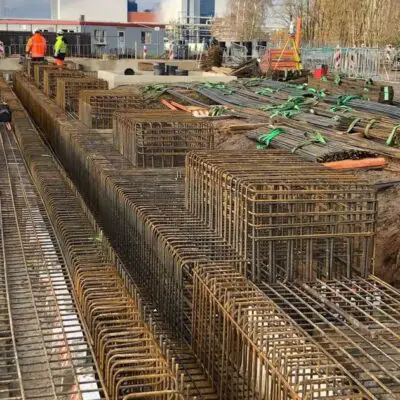
Ground stabilisation and reinforcement are essential components of modern civil engineering, particularly in regions where the natural conditions of the soil are less than ideal for supporting infrastructure and development. The primary objective of ground stabilisation is to modify and improve the properties of soil so that it can better withstand the stresses and strains imposed by construction activities and environmental factors. Soils that are soft, loose, or expansive often require special treatment to increase their bearing capacity, reduce susceptibility to water penetration, and prevent long-term deterioration due to external forces. This process is crucial for ensuring the longevity, safety, and effectiveness of any infrastructure built upon these grounds, whether it is residential, commercial, or industrial in nature. Various methods are employed to achieve stabilisation, including mechanical techniques such as compaction and soil mixing, chemical treatment using stabilising agents, and geotechnical methods that involve the addition of stabilising materials like cement or lime. These methods aim to increase the strength and cohesion of the soil, preventing it from shifting or settling unevenly, which could otherwise lead to structural damage.
While ground stabilisation improves the properties of the soil, ground structure reinforcement focuses on enhancing the strength of the existing structures or foundations built upon the soil. Reinforcement techniques provide additional support to the structure itself, ensuring it remains stable under various environmental loads such as seismic activity, extreme weather, or traffic. The most common reinforcement techniques involve adding additional layers of material to the existing structure, such as steel bars, reinforced concrete, or geosynthetic fabrics. These reinforcements can also be used to strengthen retaining walls, embankments, roadbeds, or slope surfaces, ensuring that they can better resist lateral forces, erosion, and shifts in the underlying soil. The role of reinforcement is often tied to the performance of the stabilised soil, as the additional layers of support distribute the weight and stress across a larger area, preventing overloading and minimizing the risk of failure. By combining stabilisation with reinforcement, engineers can ensure that both the soil and the structure are adequately supported, enhancing the durability and safety of the construction.
Slope stabilisation is a particularly important aspect of ground stabilisation, especially in areas with hilly or mountainous terrain. Slopes are inherently more vulnerable to instability due to their natural inclination, and without appropriate measures, they can lead to landslides, soil erosion, or the collapse of infrastructure built on or near them. Slope failure can be triggered by a variety of factors, including heavy rainfall, seismic events, deforestation, or even the weight of construction materials. The process of stabilising a slope involves various techniques designed to increase the soil’s shear strength and reduce the likelihood of movement. Vegetation is often used as a natural stabiliser, as plant roots can bind the soil together, reducing the risk of erosion. Retaining walls, drainage systems, and other civil engineering solutions can also be employed to reinforce slopes, manage water runoff, and ensure that the soil remains intact. However, one of the most innovative and effective solutions for slope stabilisation is the use of geosynthetic cementitious composite mats (GCCMs), a cutting-edge technology that combines the benefits of geosynthetics with cement-based materials to create a flexible, durable surface that stabilises and protects the underlying soil. Geosynthetic cementitious composite mats (GCCMs) are composite materials made up of geosynthetic fabrics combined with cementitious compounds. These mats are designed to be applied to slopes, embankments, or areas prone to erosion and soil instability. geosynthetic cementitious composite mat The geosynthetic fabric provides the mat with flexibility and strength, while the cementitious layer hardens over time, forming a solid, impermeable surface that prevents water infiltration and erosion. The primary advantage of GCCMs is their ability to create a durable, self-healing barrier that protects against environmental degradation, such as rain, wind, and UV radiation, while maintaining the flexibility required to accommodate slight movements in the soil beneath. The unique combination of materials ensures that these mats are strong enough to resist heavy weather conditions, yet flexible enough to conform to the contours of the terrain, providing optimal coverage and protection. ground stabilisation GCCMs are particularly effective in areas that require rapid installation, as they are easy to transport and deploy, reducing the overall time and cost of stabilisation projects. They are also a sustainable solution, as they require minimal maintenance and can last for several years without significant degradation. Cement mats, which are a type of geosynthetic cementitious composite mat, offer similar benefits but with a stronger focus on cement-based compounds. These mats are designed to provide a high level of protection for slopes, embankments, and other exposed surfaces where erosion is a significant risk. Cement mats are typically applied in areas where a more rigid and durable solution is necessary, such as in riverbank protection, coastal erosion control, or highway embankments. The cement layer within the mat serves to bond the geosynthetic fabric, creating a more rigid, impermeable barrier that effectively resists the penetration of water, soil erosion, and root intrusion. Cement mats are highly effective in preventing the undermining of slopes and embankments, as they form a solid protective layer that stabilises the soil, reduces surface runoff, and minimizes erosion. These mats are particularly useful in areas with high water flow or where soil erosion is a major concern, such as in flood-prone regions or near water bodies.
Cementitious mats, a broader category of products that includes both cement mats and other similar materials, are highly versatile and can be tailored to meet the specific needs of different projects. These mats are typically used in a wide range of applications, from slope protection to shorelines and embankment stabilisation. They offer an excellent solution for areas requiring strong, durable erosion control, as well as environments that demand flexibility and resistance to harsh weather conditions. Cementitious mats can be engineered to meet specific performance criteria, such as increased UV resistance, enhanced water resistance, or improved mechanical strength, making them suitable for use in diverse environmental conditions. Their ability to prevent soil erosion, promote vegetation growth, and protect infrastructure from water damage has made them an invaluable tool in modern civil engineering, particularly in areas with difficult soil conditions or where slopes and embankments are at risk of failure.
The combination of ground stabilisation techniques, ground structure reinforcement, and slope stabilisation through the use of advanced materials such as geosynthetic cementitious composite mats and cement mats provides a comprehensive solution for improving soil stability and protecting valuable infrastructure. These innovative materials offer significant advantages over traditional methods, including ease of installation, long-term durability, cost-effectiveness, and minimal environmental impact. The ability to quickly and efficiently stabilise slopes, embankments, and other vulnerable areas has made these solutions indispensable in the construction of roads, railways, flood protection systems, and more. By integrating ground stabilisation, reinforcement, and erosion control solutions, engineers can ensure that their projects remain safe, stable, and resilient in the face of changing environmental conditions and unforeseen challenges. slope stabilisation
Revolutionising Soil Stabilisation with Cementitious and Geosynthetic Materials
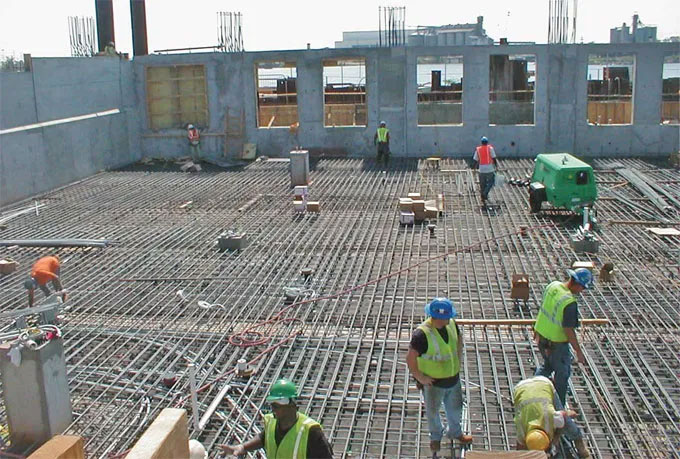
Ground stabilisation and reinforcement are two essential practices in civil engineering, particularly when dealing with challenging soils and terrains that could affect the integrity of structures. Ground stabilisation, at its core, is the process of improving the physical properties of soil to make it more stable, resilient, and capable of bearing the loads and forces exerted upon it. It involves techniques that increase the strength, density, and compaction of the soil, making it less susceptible to shifting, settling, or erosion. This is a critical procedure in areas where natural soil conditions may not be ideal, such as locations with expansive clays, loose sands, or soft soils that have low load-bearing capacity. geosynthetic cementitious composite mat Ground stabilisation ensures that the foundation of any construction, whether it is a building, a road, or a bridge, remains solid, durable, and reliable throughout its lifespan. In areas with unstable soil, ground stabilisation methods such as soil mixing, the addition of chemical stabilizers, and the use of mechanical compaction can all be employed to improve the soil’s structural integrity. Reinforcing ground structures goes hand-in-hand with stabilisation, focusing on strengthening the physical elements or infrastructure that rely on the soil for support. This can include reinforcing retaining walls, foundations, embankments, or slope surfaces, all of which help to resist the forces of erosion, shifting, or failure. The reinforcement process often involves additional materials like steel, concrete, or geosynthetic fabrics to ensure long-term durability and prevent structural damage under pressure. These methods provide stability in both the short and long term, preventing costly damage or destruction to valuable infrastructure. Slope stabilisation, specifically, is a branch of ground stabilisation focused on preventing soil movement and erosion on sloped terrains. Slopes, whether natural or man-made, are particularly vulnerable to landslides, erosion, and instability, particularly in areas subject to heavy rainfall or seismic activity. Slopes can become destabilized by water infiltration, surface runoff, or human activity, creating a need for stabilisation techniques that ensure the ground remains intact and does not slide or shift, threatening both the environment and the structures above. The traditional approach to slope stabilisation may involve planting vegetation, installing retaining walls, or using heavy machinery to compact the soil. However, recent advancements have introduced more innovative solutions, such as geosynthetic cementitious composite mats (GCCMs), which are proving to be highly effective in controlling erosion and stabilising slopes. GCCMs are an advanced form of composite material made from cementitious compounds integrated with geosynthetic fabrics, which provides both flexibility and strength. These mats are typically applied to the surface of slopes, embankments, and other vulnerable areas, creating a protective barrier that resists the forces of water erosion and soil movement. The cementitious component of the mat hardens once it comes in contact with water, creating a durable, long-lasting surface that effectively prevents water penetration and soil displacement. This makes them especially useful in areas prone to heavy rainfall, where erosion could quickly undermine the integrity of the land. The geosynthetic fabric ensures that the mat stays intact and maintains its integrity over time, even under varying weather conditions and mechanical stress. Geosynthetic cementitious composite mats provide significant advantages over traditional erosion control methods. They are lightweight, easy to install, and provide excellent resistance to UV degradation, making them ideal for a variety of environmental conditions. These mats are commonly used in projects involving slope protection, riverbank reinforcement, embankment stabilisation, and coastal erosion control. Another material commonly used in stabilisation and erosion control is cement mats, which, while similar to GCCMs, focus primarily on using cement-based compounds as the main material. Cement mats are designed to be used on slopes and other vulnerable areas to create an impermeable barrier that prevents soil movement, protects against erosion, and supports vegetation growth. These mats are particularly useful in locations with challenging soil conditions or in environments where maintaining stability over a long period is essential. Cement mats are often more rigid and durable than traditional geosynthetic materials, making them a good choice for high-impact areas where additional strength is needed. Similar to cement mats, cementitious mats integrate cement with other materials to enhance their water-resistant properties, durability, and flexibility. Cementitious mats have a wide range of applications, from shoreline protection to riverbank reinforcement, as well as in areas where erosion poses a significant threat to the stability of roads, railways, or other infrastructure. The primary benefit of cementitious mats is that they not only provide a robust barrier against erosion but also offer long-term protection by maintaining their structural integrity for extended periods of time. slope stabilisation The durability of these mats ensures that infrastructure remains protected for many years, without the need for frequent maintenance or replacement. The application of ground stabilisation, reinforcement, and slope stabilisation methods using innovative materials like geosynthetic cementitious composite mats, cement mats, and cementitious mats provides an effective solution for managing unstable soil, erosion, and slope instability. ground structures reinforcement These materials offer significant advantages in terms of durability, ease of installation, cost-effectiveness, and long-term performance, making them an excellent choice for civil engineering projects. The combination of ground stabilisation and slope stabilisation techniques ensures that the underlying soil remains strong and reliable, while also protecting the surface and any structures built upon it. As construction projects become increasingly complex and environmental challenges grow, these advanced materials will continue to play a vital role in ensuring the safety, stability, and longevity of infrastructure, protecting both the environment and the public.
Understanding Geosynthetic Clay Liners: Benefits and Applications

Geosynthetic clay liners, bentonite liners, clay liners, and compacted clay liners are critical materials in environmental engineering, designed to form robust barriers that prevent water and contaminants from migrating into surrounding soil and groundwater. Geosynthetic clay liners (GCLs) combine bentonite, a highly absorptive clay, with geotextiles or geomembranes, creating a flexible, lightweight material that expands upon contact with water to form a highly impermeable seal. geosynthetics clay liner This makes GCLs especially valuable in projects like landfill containment, mining, and wastewater treatment, where a quick-to-install yet highly effective liner is needed. Bentonite liners, made primarily of bentonite clay, use the unique self-sealing properties of this material to create a natural, water-impermeable barrier, making them ideal for a wide range of applications where containment reliability and easy maintenance are essential, such as secondary containment and hazardous waste storage. Clay liners as a category are valued for their low permeability and natural composition, which make them a strong option in situations where environmental considerations are a priority. Compacted clay liners (CCLs) consist of densely packed layers of clay compacted to a precise density to reduce permeability; this makes them a durable and effective solution in settings where locally sourced clay is available and a thicker, natural barrier is preferred. Each type of liner offers specific benefits depending on the project’s requirements, such as environmental regulations, installation complexity, or budget constraints. Geosynthetic clay liners are often selected for their flexibility and ease of installation, while bentonite liners and compacted clay liners provide dependable, naturally-derived containment solutions. Bentonite’s swelling capacity lends these liners an automatic sealing ability, and compacted clay liners, when properly installed, can achieve uniform, long-lasting coverage that effectively controls water and contaminant flow. Used in applications from landfill closures and reservoir lining to mining and infrastructure, these liners play a vital role in safeguarding environmental integrity by providing dependable containment solutions tailored to diverse engineering needs.
The Science Behind Geosynthetic Clay Liners and Their Effectiveness

Geosynthetic clay liners, bentonite liners, clay liners, and compacted clay liners are all specialized materials used in environmental engineering and construction to create effective barriers against fluid migration and protect natural resources. Geosynthetic clay liners (GCLs) are made by embedding a layer of bentonite, a clay with strong swelling properties, between geotextiles or geomembranes. When hydrated, the bentonite swells, forming a highly impermeable seal that prevents water and contaminant flow, making GCLs ideal for projects like landfills, ponds, and wastewater containment where a reliable, flexible liner is essential. Bentonite liners harness the unique properties of bentonite clay, which naturally expands to create an effective seal when exposed to water, making them a versatile choice in situations where self-sealing capabilities are beneficial, such as in hazardous waste containment or secondary containment systems. Clay liners, in general, provide natural, low-permeability solutions and are often used in projects that benefit from local sourcing of clay materials. Compacted clay liners (CCLs) involve tightly compacting clay in layers to achieve low permeability, often chosen for sites where locally available clay can be utilized to create a durable, thick liner. CCLs are typically applied where a natural barrier is preferred, though they require meticulous compaction to avoid cracking and ensure uniformity. Selecting the right liner type depends on factors like site conditions, environmental regulations, installation speed, and budget. Geosynthetic clay liners, with their lightweight design and consistency, simplify installation and offer reliable performance across varied environmental conditions. Bentonite liners and compacted clay liners each offer unique advantages: bentonite liners provide automatic self-sealing, while compacted clay liners can serve as natural, durable barriers when large quantities of compactable clay are available on-site. compacted clay liner These liners are widely used for landfill covers, reservoir linings, mining projects, and various containment applications where environmental integrity and protection from contamination are paramount. Each liner type brings specific benefits suited to different applications, ultimately supporting sustainable engineering and resource protection across multiple sectors.